No-Date Sacagawea Dollar Claims — What the Claim Means
People sometimes claim they’ve found a Sacagawea dollar with no visible date. The phrase “no-date Sacagawea dollar claims” covers several situations: coins truly missing a date from the strike, dates worn away by circulation, and coins altered after minting to remove the date.
This article explains the practical differences, how to inspect a coin, and what steps to take if you think you own a no-date Sacagawea dollar.
How Sacagawea Dollars are Minted and Where the Date Appears
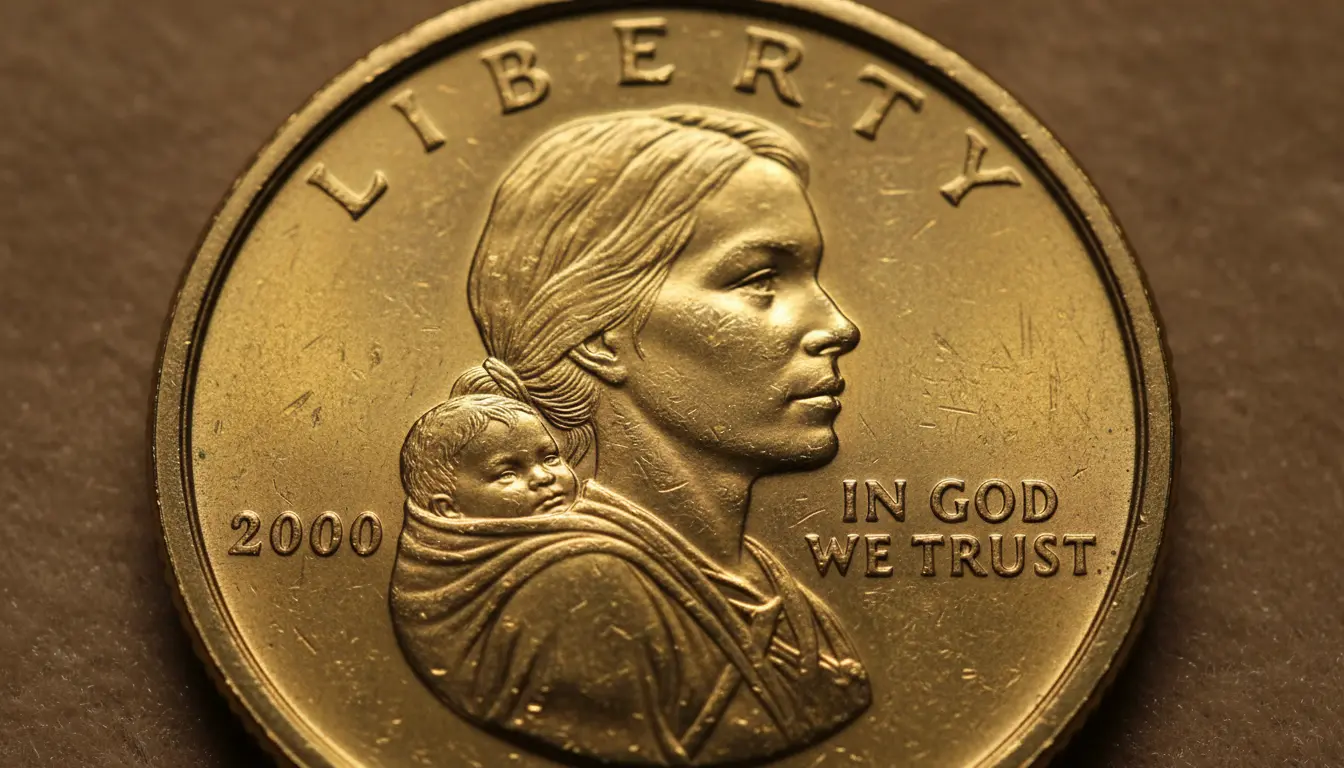
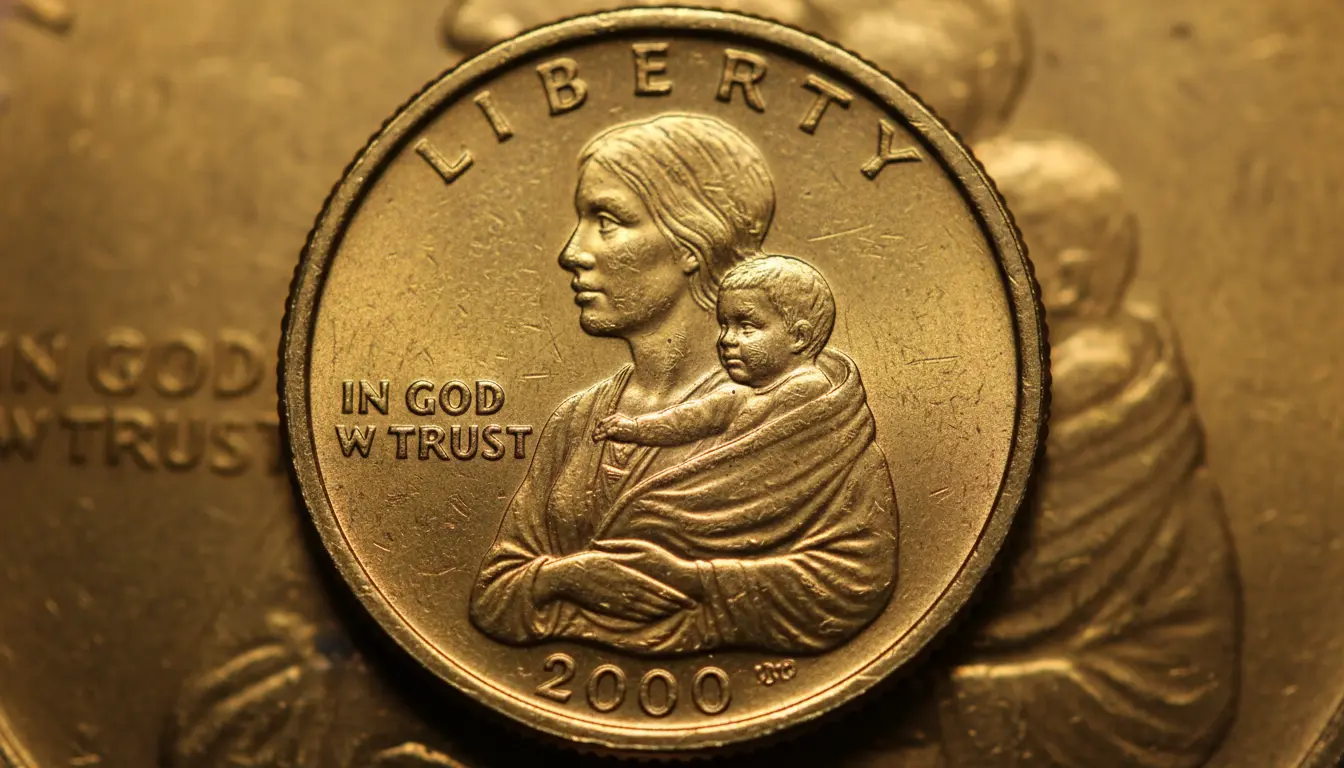
Sacagawea dollars (introduced in 2000) have the date incused on the obverse near the rim. During normal minting the date is part of the die impression and should be visible on a properly struck coin.
Understanding where the date is placed helps you decide whether a missing date is a mint error, wear, or alteration.
No-Date Sacagawea Dollar Claims: Common Causes
Not every missing or faint date equals a mint error. Common causes include:
- Heavy wear: Circulation can naturally erode high points and rim details until the date is unreadable.
- Filled die strikes: Grease, debris, or filled dies can cause weak strikes that hide date details.
- Post-mint alteration: Someone may have filed or chemically removed the date to disguise value or create a novelty.
- Counterfeits or altered dates: Dates can be added, altered, or removed by fraudsters to misrepresent rarity.
How to Inspect a Suspected No-Date Sacagawea Dollar
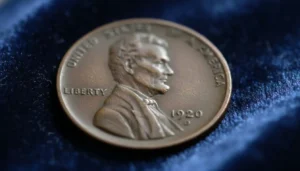
Follow a systematic inspection to determine what you actually have. Use good light and a 10x loupe when possible.
- Examine the rim and surrounding areas; dates often survive in partial form near the edges.
- Look for die markers such as breaks, clashes, or specific patterns that match known die varieties for the year.
- Check both obverse and reverse for tooling marks, inconsistent surfaces, or signs of filing.
- Compare to reference photos from grading services (NGC, PCGS) or trusted coin catalogs.
Red Flags That Suggest Alteration
If you see any of the following, the coin likely isn’t a true no-date error:
- Uneven surfaces where the date should be, especially scratch or file marks.
- Polishing lines or chemical discoloration around the date area.
- Partial date impressions that look added or carved, not struck.
Grading Services and Authentication
If you believe you have a genuine mint error, submit the coin to a reputable third-party grading service (PCGS, NGC, ANACS). Experts can identify whether the missing date is due to a minting problem or post-mint damage.
Grading services issue detailed notes. Typical outcomes include a standard grade if the date is intact, a qualification like Too Much Wear, or a Details/Altered designation if tampering is suspected.
Costs and Considerations
- Grading fees vary by value and service speed. Expect baseline fees for common submissions.
- Photographs and provenance help. Include any purchase receipts or clear close-up images.
- Weigh benefits against cost: common Sacagawea dollars are low value, so grading may not be cost-effective unless you expect a true error.
Most so-called no-date coins are the result of circulation wear or filled dies. Truly issued no-date coins from the U.S. Mint are rare anomalies and usually well-documented by grading services.
Real-World Example: What Often Happens
A collector submitted a circulated Sacagawea dollar with an unreadable date to an online forum. The community examined high-resolution photos and noted a faint rim outline consistent with a filled-die weak strike, not deliberate removal.
After authentication by a grading service, the coin was labeled as a weak strike caused by a filled die and given a standard circulated grade. The coin was not considered a rare no-date mint error.
How to Protect Yourself When Buying or Selling
Whether buying at a show, online, or selling from your own collection, follow simple precautions.
- Buy from reputable dealers with return policies and clear images.
- Ask for magnified photos of the date area and the coin’s edge.
- When in doubt, request authentication or consult experienced collectors or professional graders.
Quick Checklist Before Paying for a Claimed No-Date Sacagawea
- Inspect the coin under magnification for tool marks or filing.
- Compare to verified die markers from reference guides.
- Request a professional opinion if value seems higher than normal.
- Get documentation if the seller claims grading or prior authentication.
Conclusion: No-Date Sacagawea Dollar Claims — Mostly Fiction, Sometimes Real
Genuine no-date Sacagawea dollars intentionally struck without a date are not typical issues from the U.S. Mint and are rare if they exist. Most missing-date appearances are due to wear, filled dies, or post-mint alteration.
If you suspect a true mint error, document the coin, consult trusted references, and consider professional authentication. That process protects both buyers and sellers and separates fact from fiction in the world of coin collecting.